Easy Ways to Stay Active Across Middle Tennessee |
Exploring the Impact of Nashville's Bold Budgeting Trial: Successes, Setbacks, and Surprising Discoveries |
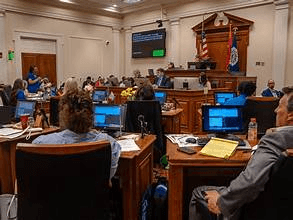
Nashville’s citywide participatory budgeting experiment is ending with a mixed outcome: most selected projects are complete, but not every neighborhood promise will make it across the finish line.
Three years ago, Metro opened a participatory budgeting process that allowed Nashville residents to vote on how to spend $10 million in public money. The idea was simple: residents could help decide which neighborhood projects deserved funding, from parks and greenways to library resources, bus shelters, traffic improvements, and community spaces.
According to WPLN, the citywide process allowed Nashvillians age 14 and older to vote, regardless of housing or citizenship status. Residents chose from 35 finalist projects, narrowed down from more than 1,000 submissions. In the end, 24 projects won funding.
Many of those projects have been completed, but WPLN reports that some funding is expiring before all projects could be finished. A planned Seven Mile Creek greenway expansion in southern Davidson County and bus shelters near Dickerson Pike and Grizzard Avenue were among the projects that could not be completed in time. Those dollars are being redirected to other city projects already in progress.
For residents, the story matters because participatory budgeting was supposed to give neighborhoods a more direct voice in how public money was spent. When projects are completed, it can build trust. When projects are delayed, changed, or redirected, it can leave residents feeling like their votes did not fully count.
The issue also raises a bigger question for Nashville: how should residents influence city spending in the future?
Mayor Freddie O’Connell did not continue the program after taking office, with concerns about low engagement and whether residents should have to compete for projects that may already deserve public funding, according to WPLN.
Even so, the experiment offers lessons. Nashville residents submitted ideas, voted on neighborhood priorities, and helped shape real capital projects across the city. The challenge now is whether Metro can find better ways to keep residents involved while also following through clearly and transparently when project timelines, funding rules, or deadlines change.
For neighborhoods that saw their chosen projects completed, participatory budgeting showed what local input can do. For neighborhoods still waiting, it is a reminder that public trust depends not only on asking residents what they want — but on keeping them informed when plans change. |
0 Comments
Join the conversation
Be the first to comment
Share your thoughts above.