Data Center Development in Nashville: What Residents Should Know |
Nashville data centers face scrutiny as the data center moratorium approaches its December deadline |
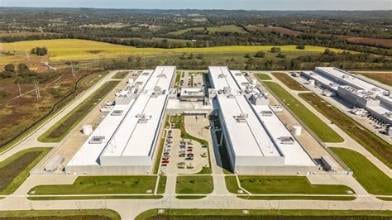
Nashville’s data center debate is entering an important month, with a temporary permit moratorium scheduled to run until December 1 and questions continuing about how these facilities fit beside established neighborhoods.
For Middle Tennessee residents, the issue reaches beyond artificial intelligence: it involves land use, utility infrastructure, and what happens when equipment operates around the clock near places people live and visit.
Data center development encompasses buildings that house servers, storage, networking equipment, and the systems that keep them powered and cool.
Facilities differ substantially in size and purpose, so a familiar business computing center should not automatically be treated as equivalent to a large AI campus.
The Nashville market has 28 facilities listed in a current industry directory, compared with 65 statewide.
Those are market listings rather than a verified count confined to Davidson County, an important distinction when discussing the region’s footprint.
Metro Council approved new data center zoning rules in July, establishing classifications and conditions specifically for the use.
The city also adopted a temporary pause covering certain data center permitting and administrative appeals, with December 1 as its stated endpoint.
A temporary moratorium is different from a permanent ban, and the deadline should not be read as an automatic approval date for any individual project.
The proposed DC BLOX facility near the Nashville Zoo has become a prominent example of the dispute over location, zoning classifications, and which rules apply to applications already submitted.
That project also illustrates why a citywide policy and a particular property’s approval process can involve different questions.
Meanwhile, a recent assessment from the mayor’s office identified issues that warrant further examination even after Nashville adopted its new protections.
Those include equipment vibration, potential cooling-system wastewater contaminants, the combined effects of several facilities, and whether Metro has adequate resources to monitor compliance.
These are questions for assessment and oversight, rather than proof that every facility creates the same problems.
For residents evaluating a proposal, the useful starting point is the actual site plan and operating requirements.
How much electricity would the facility require, what utility upgrades would it need, and who would pay for those improvements?
What cooling method would it use, how much water would it draw, and what would happen to discharged water?
Neighbors can also ask about generator testing, equipment noise, distances from homes, and how complaints would be investigated.
On the economic side, proposed construction activity should be distinguished from permanent staffing and any public incentives.
For readers in Williamson, Rutherford, Sumner, and surrounding counties, Nashville’s actions provide context, but Davidson County’s rules do not automatically govern another jurisdiction.
Check the city or county responsible for the particular property before assuming a regional headline describes local policy.
As December approaches, the developments to watch are further Metro action, enforcement plans, and decisions on specific applications.
The most useful test for any proposal is whether its infrastructure demands, economic benefits, and neighborhood protections are explained clearly enough for residents to judge. |
0 Comments
Join the conversation
Be the first to comment
Share your thoughts above.